
Healing Through Connection: The Power of Equine-Assisted Therapy in Residential Treatment
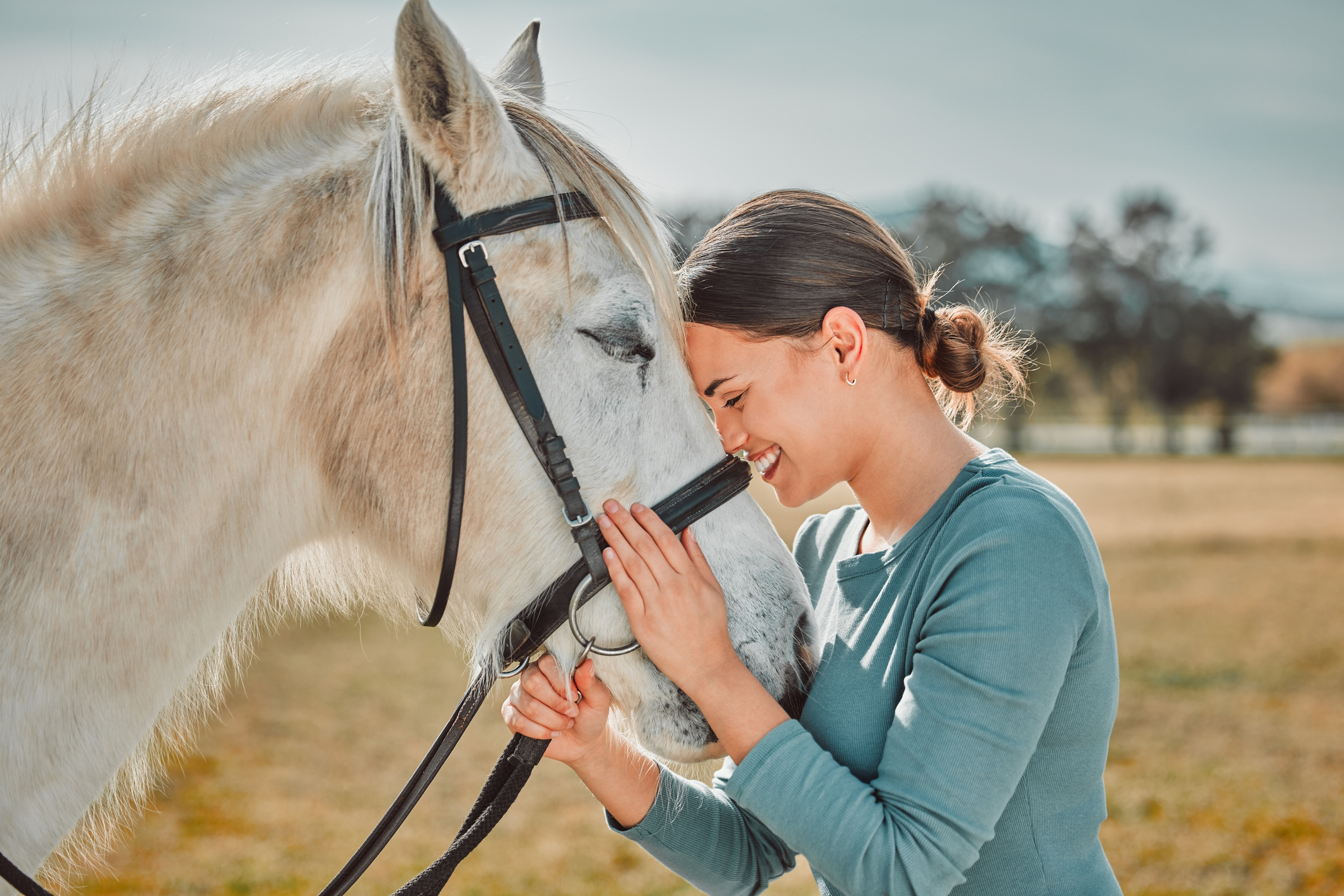
In a world that often feels fast, loud, and disconnected, horses offer stillness, presence, and connection. For many teens in residential treatment, pasture or paddock becomes more than just a quiet outing off-site. It becomes a place where healing happens in ways words alone cannot reach. To learn more about healing through connection and the power of equine-assisted therapy in residential treatment, contact The Maples.
What Is Equine-Assisted Therapy?
Equine-Assisted Counseling (EAC) is a therapeutic approach that incorporates horses into the healing process. Under the guidance of trained mental health and equine professionals, residents interact with horses through structured activities such as grooming, leading, feeding, or simply observing herd behavior. Unlike horseback riding lessons or recreational programs, EAC focuses on emotional growth, relationship skills, and regulation rather than horsemanship.
Horses are often counselors themselves; they are a living, breathing mirror that reflects what is happening internally for the residents. Horses are prey animals, attuned to subtle shifts in body language, tone, and energy. Because of this sensitivity, they provide instant, nonjudgmental feedback. When a client is anxious, withdrawn, or dysregulated, horses respond similarly; they may choose to distance themselves. When calm, grounded, and authentic, horses will be more open to trying to connect. For teens in residential treatment who struggle to trust others or to feel safe in relationships, this type of reflection and connection with horses can be transformative.
Why Horses?
Horses live in the present moment. They don’t care about a person’s past mistakes, diagnosis, or reputation. They respond only to what is happening right now. For youth who have experienced trauma, instability, or rejection, that kind of acceptance can be powerful.
When a horse moves closer during equine therapy because a teen in residential treatment has softened their tone or slowed their breathing, it reinforces the idea that calmness and authenticity create connection. These moments become real-time lessons in emotional regulation and relational safety.
The physical presence of horses also helps teens engage their senses and bodies, which is especially beneficial for clients who have learned to disconnect from their physical or emotional experience. The smell of hay, the rhythmic sound of hooves, and the tactile act of brushing a horse’s coat all promote grounding and mindfulness.
The Science Behind the Connection
Research supports what many therapists and clients have experienced firsthand: interacting with animals can reduce stress hormones, lower blood pressure, and increase levels of oxytocin. In therapy settings, these physiological effects help clients feel calmer and more open to learning new skills.
Of note, Trotter et al. (2008), found that EAC significantly improved 17 behavior areas of at-risk children compared to only improvement in 5 areas for classroom-based counseling. EAC has also been successful in improving executive and social functioning in children with autism spectrum disorder (Borgi, et al., 2016).
What Happens During an Equine Session?
Each equine therapy session looks a little different, but they all share a focus on process, not performance. A typical session may involve:
- Our residents engage in groundwork activities such as leading a horse, bathing, and grooming the horses. These tasks often reveal patterns of communication, control, and trust.
- Observation exercises, where clients notice herd behavior and reflect on how the horses’ interactions mirror human relationships or emotional states. Horses are very communicative, helping residents read and understand both non-verbal and verbal communication.
- Metaphor-based reflection, where experiences with the horse become symbolic of internal struggles or relational dynamics. For example, residents reflect on why the horses may have interacted with them in different ways.
Therapists guide treatment residents to explore these moments during equine therapy with curiosity rather than judgment, connecting insights from the pasture to life in the milieu, in school, or at home.
For Our Residents
Adolescents in residential care often struggle with building trust and safety, a process that often takes time. Many arrive after experiencing trauma, loss, or instability. Traditional talk therapy can feel intimidating or “too much.” Horses offer a bridge — a way to engage in therapeutic work without the pressure of constant eye contact or verbal processing.
In the pasture, silence isn’t awkward; it’s part of communication. The horse reads energy, not words. That’s why equine sessions can help even the most guarded teens in residential treatment begin to open up to the therapeutic process.
A teen who has struggled with defiance might realize that pushing too hard makes the horse move away. Another who isolates might notice that when she approaches gently, the horse leans in. These experiences become metaphors for relationships with peers, staff, and family.
Through consistent sessions, teens will hone their skills regarding self-regulation, setting boundaries, discovering the process of trust, and understanding that consistency builds relationships.
The Therapist’s Role
The therapist and equine specialist facilitate sessions to ensure both safety and therapeutic depth. Their role is not to “teach horse skills” but to interpret what happens between the client and horse through a therapeutic lens. These moments invite self-awareness, emotional insight, and behavioral change — all essential goals in residential treatment.
The Bigger Picture: Integration and Growth
The benefits of Equine-Assisted Counseling don’t end when clients leave the pasture. The insights gained are integrated into individual therapy sessions, group work, and daily living goals.
For example:
- A resident who learns to pause and breathe when a horse resists may apply that same skill when feeling triggered in a group.
- A resident who learns that gentleness earns trust may begin to use a softer tone with staff or peers.
- A resident who experiences a genuine connection with a horse may start to believe that safe, healthy relationships with humans are possible, too.
Closing Thoughts on The Importance of Equine-Assisted Therapy at The Maples Residential Treatment Center
At its heart, Equine-Assisted Counseling is about relationships and connection, not just between horse and human, but between the resident and themselves.
Horses have an uncanny ability to bring us back to the present moment, to remind us that healing begins with awareness, gentleness, and connection. In residential treatment, where many teens are learning to rebuild trust and rediscover their own sense of worth, the barn becomes more than a pasture. It becomes a place of restoration, reflection, and hope.
To learn more about healing through connection and the power of equine-assisted therapy in residential treatment, schedule a consultation with The Maples.